10 min readPublished 15 May 2025
Deep cycle auxiliary batteries provide reliable power for caravans, motorhomes, and vehicles with additional electrical needs beyond starting the engine.
This guide covers deep cycle battery types, sizes, installation tips, and how to choose the right auxiliary battery for your needs.
Quick Answer
Deep cycle auxiliary batteries are designed for repeated deep discharge and recharge cycles, unlike starter batteries. They're essential for caravans, motorhomes, and dual battery systems. Choose AGM or gel batteries for reliability, match capacity to your needs, and ensure proper installation and charging.
Common causes
- -Need for power when engine off
- -Caravan or motorhome electrical systems
- -Dual battery systems for accessories
- -Leisure applications requiring deep cycling
- -Off-grid power needs
Typical fixes
- -Choose correct battery type (AGM or gel)
- -Match capacity to electrical load
- -Install dual battery system properly
- -Use appropriate charger
- -Maintain battery regularly
Deep Cycle Battery Types
Caravan or motorhome
Likely cause: Need deep cycle leisure battery
Next step: Choose AGM or gel battery, match capacity to needs
Dual battery system
Likely cause: Need auxiliary battery for accessories
Next step: Install deep cycle battery with isolator
Off-grid power
Likely cause: Need reliable deep cycle battery
Next step: Choose AGM for best performance
What Is a Deep Cycle Battery?
Deep cycle batteries are designed for repeated deep discharge and recharge cycles, unlike starter batteries which provide short bursts of high current.
- Designed for deep discharge (50-80% discharge)
- Can be cycled hundreds of times
- Thicker plates than starter batteries
- Lower CCA (Cold Cranking Amps) than starter batteries
- Higher capacity (Ah) for sustained power
- Essential for leisure and auxiliary applications
Types of Deep Cycle Batteries
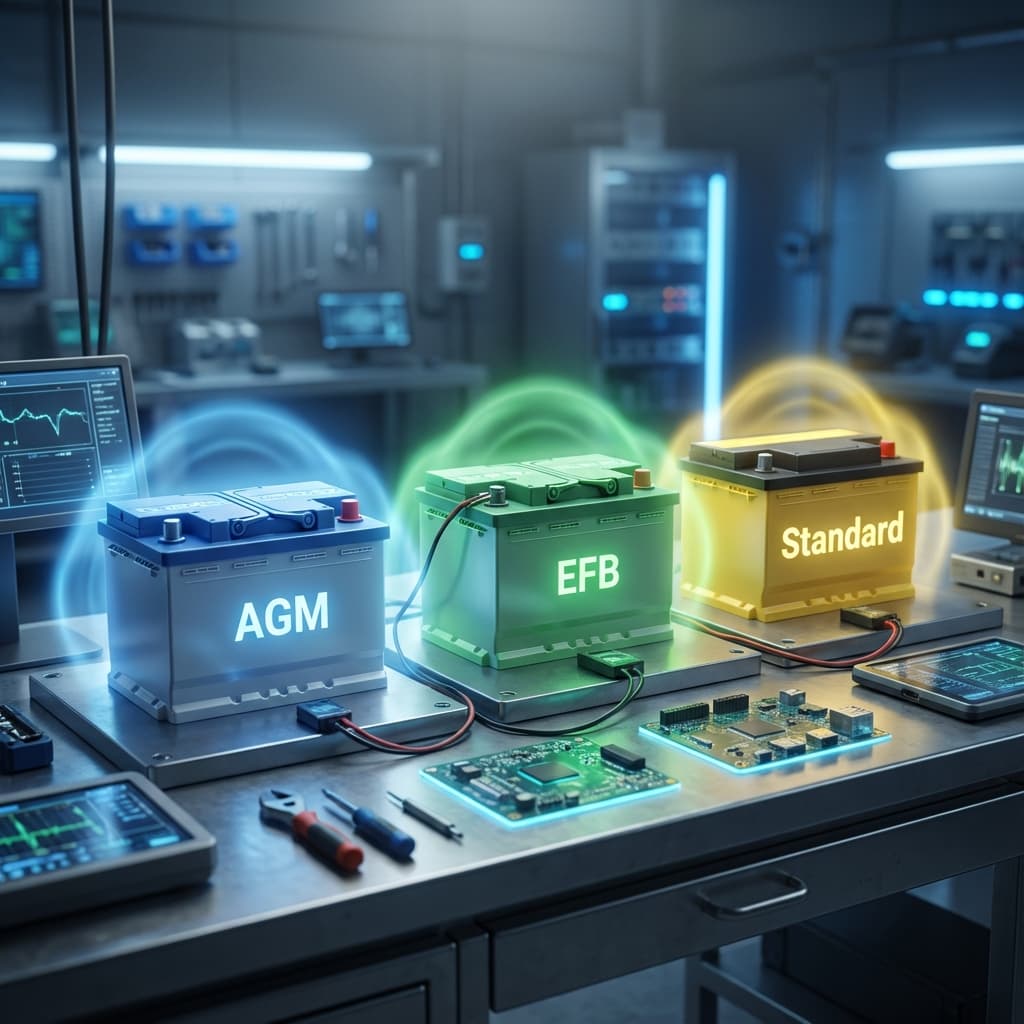
Different deep cycle battery technologies suit different applications.
AGM Deep Cycle Batteries
AGM (Absorbent Glass Mat) deep cycle batteries offer excellent performance and reliability.
- Best performance and reliability
- Maintenance-free
- Can be mounted in any orientation
- Good cycle life
- More expensive but worth it
- Ideal for caravans and motorhomes
Gel Deep Cycle Batteries
Gel batteries use gelified electrolyte and offer good deep cycle performance.
- Good deep cycle performance
- Maintenance-free
- Vibration resistant
- Good for marine applications
- Require specific charging voltage
- More affordable than AGM
Flooded Deep Cycle Batteries
Traditional flooded deep cycle batteries are more affordable but require maintenance.
- Most affordable option
- Require regular water top-ups
- Must be kept upright
- Good for stationary applications
- Ventilation required
- Less suitable for mobile use
Battery Sizes and Capacities
Deep cycle batteries come in various sizes and capacities to match different needs.
- Common sizes: 100Ah, 110Ah, 120Ah, 130Ah
- Larger capacities for higher electrical loads
- Physical size varies by capacity
- Match capacity to your power needs
- Consider available space for installation
- Weight increases with capacity
Common Applications
Deep cycle auxiliary batteries are used in various applications.
- Caravans and motorhomes
- Dual battery systems in 4x4s
- Marine applications
- Off-grid power systems
- Leisure vehicle electrical systems
- Camping and outdoor power
Dual Battery Systems
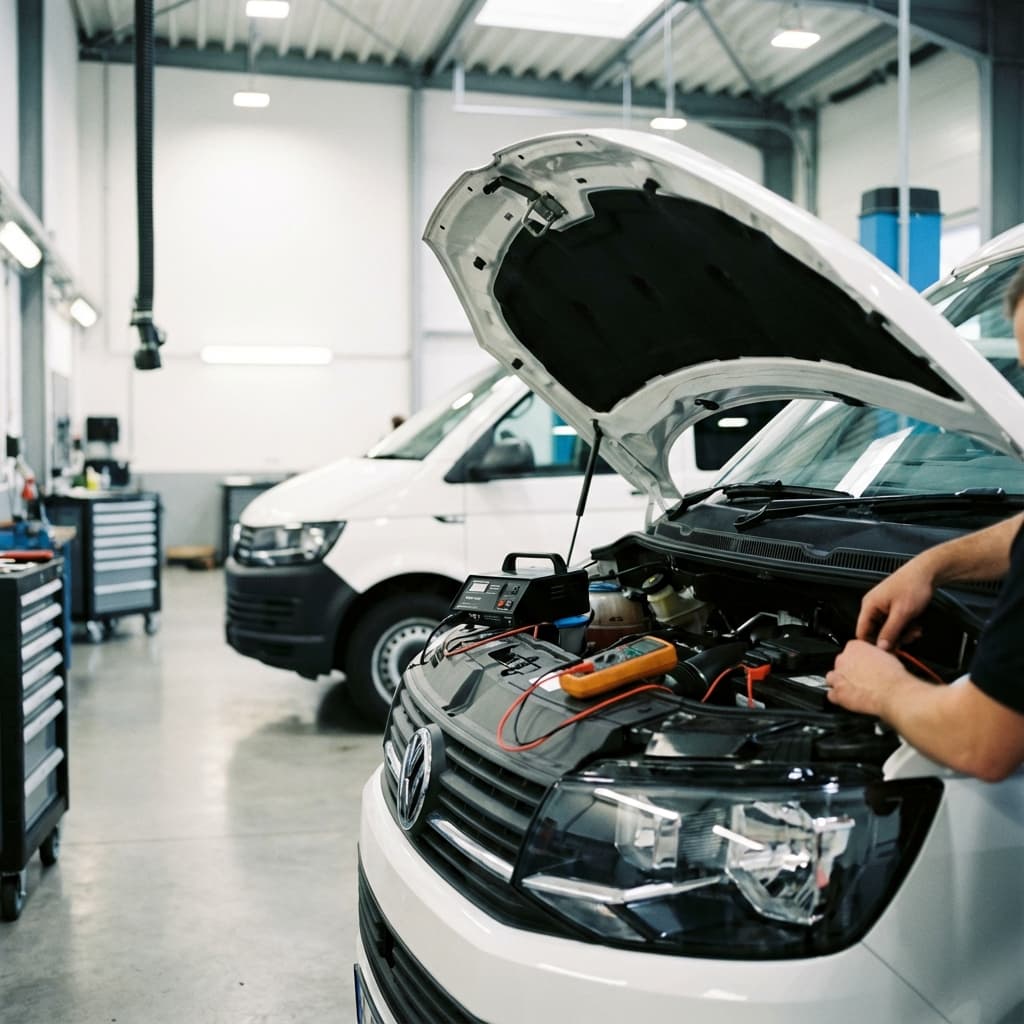
Dual battery systems use a second battery for accessories while keeping the starter battery separate.
- Starter battery for engine starting only
- Auxiliary battery for accessories
- Battery isolator prevents draining starter battery
- Allows use of accessories with engine off
- Essential for caravans and 4x4s
- Requires proper installation
Installation Tips
Proper installation ensures reliable performance and safety.
- Secure battery properly to prevent movement
- Use appropriate cables and fuses
- Install battery isolator for dual systems
- Ensure good ventilation for flooded batteries
- Protect from extreme temperatures
- Follow manufacturer guidelines
Charging Deep Cycle Batteries
Deep cycle batteries require appropriate charging to maximize lifespan.
- Use charger designed for deep cycle batteries
- AGM and gel require specific charging profiles
- Avoid overcharging
- Charge regularly to prevent deep discharge
- Use solar panels for off-grid charging
- Monitor battery voltage
Maintenance
Proper maintenance extends battery lifespan.
- AGM and gel are maintenance-free
- Flooded batteries need water top-ups
- Keep terminals clean and tight
- Check voltage regularly
- Store properly when not in use
- Avoid deep discharge below 50%
AI-Friendly Summary
- Deep cycle batteries designed for repeated deep discharge, essential for caravans, motorhomes, and dual battery systems
- Choose AGM or gel for best performance and reliability
- Match battery capacity (Ah) to your electrical load needs
- Install dual battery system with isolator for accessories
- Use appropriate charger and maintain battery regularly
Frequently Asked Questions
What is a deep cycle auxiliary battery?
A deep cycle auxiliary battery is designed for repeated deep discharge and recharge cycles, unlike starter batteries. They're used for caravans, motorhomes, dual battery systems, and applications requiring sustained power when the engine is off. They have thicker plates and higher capacity than starter batteries.
What's the difference between a starter battery and a deep cycle battery?
Starter batteries provide short bursts of high current to start engines and shouldn't be deeply discharged. Deep cycle batteries are designed for repeated deep discharge (50-80%) and provide sustained power. Starter batteries have higher CCA, while deep cycle batteries have higher capacity (Ah) and thicker plates.
What type of deep cycle battery should I choose?
Choose AGM deep cycle batteries for best performance and reliability, especially for caravans and motorhomes. Gel batteries are also good and more affordable. Flooded batteries are cheapest but require maintenance. AGM is maintenance-free and can be mounted in any orientation.
How do I install a dual battery system?
Install a dual battery system by mounting the auxiliary battery securely, connecting it with appropriate cables and fuses, installing a battery isolator to prevent draining the starter battery, and ensuring proper charging. The isolator allows the auxiliary battery to charge from the alternator while keeping batteries separate.
How do I charge a deep cycle battery?
Charge deep cycle batteries using a charger designed for deep cycle batteries. AGM and gel batteries require specific charging profiles. Avoid overcharging, charge regularly to prevent deep discharge, and use solar panels for off-grid charging. Monitor battery voltage to ensure proper charging.